How to Stop Bleeding From a Dental Emergency Safely
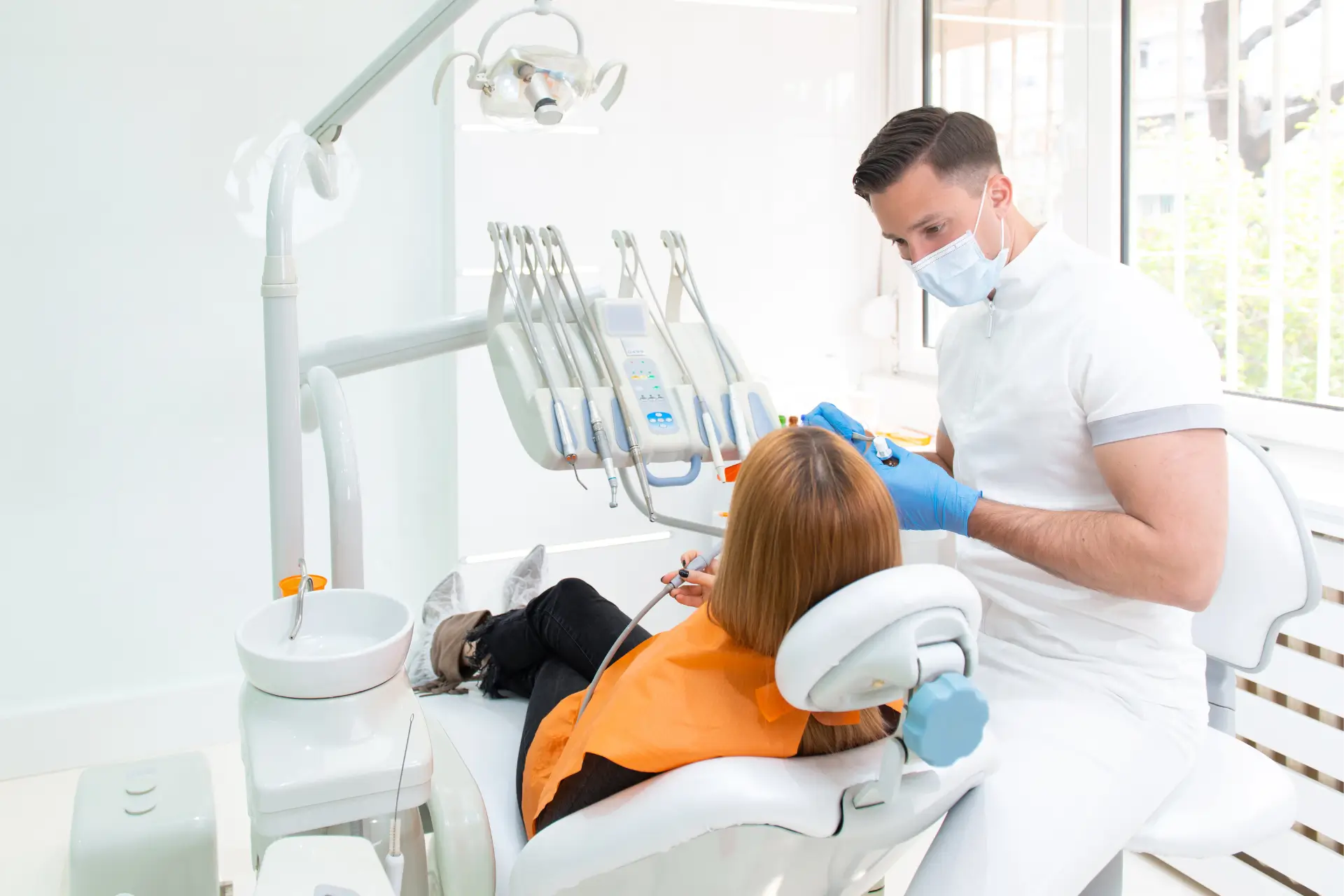
A bleeding mouth looks dramatic, often more dramatic than the injury itself. Even a small cut inside the cheek or around a tooth can mix with saliva and seem far worse than it is. That said, some dental bleeding deserves quick, careful action, especially when it follows a knocked-out tooth, a deep gum injury, oral surgery, or a blow to the face. The challenge is knowing how to control the bleeding without making things worse.
In practice, the safest first response is usually simple: steady pressure, the right material, a calm pace, and a clear sense of when home care stops being enough. People often reach for whatever is nearby, rinse too aggressively, or keep checking the wound every minute. Those habits can restart bleeding that had already begun to slow.
The goal in a Dental Emergency is not to perform a repair at home. It is to stabilize the situation, protect the tissues, and get the right follow-up care when needed.
Why oral bleeding can be tricky
The mouth has a rich blood supply. That is one reason oral tissues often heal surprisingly well. It is also why dental injuries can bleed fast and look alarming. A bitten lip, torn gum tissue, or extraction site may leave blood coating the tongue, teeth, and saliva, which magnifies the sense of urgency. Families sometimes assume something catastrophic is happening when the actual injury is moderate and controllable.
At the same time, certain injuries should never be brushed off. A knocked-out permanent tooth, a deep lifted gum flap, a cracked tooth extending below the gumline, or bleeding that will not slow after firm pressure can signal a more serious problem. The mouth also sits close to the airway. Swelling, uncontrolled bleeding, or loose fragments create concerns that go beyond dentistry alone.
One practical lesson matters here: do not judge severity by appearance alone. Judge it by the source of the bleeding, the force of the injury, whether the bleeding slows with pressure, and whether the person can breathe, swallow, and stay alert normally.
The first few minutes matter most
If you are helping someone else, start by having them Dental Emergency sit upright and lean slightly forward. That position reduces blood flowing toward the throat and makes it easier to see what is happening. Leaning back tends to encourage swallowing blood, which can cause nausea and vomiting, and that can complicate an already stressful situation.
Then identify where the blood is coming from. Is it the gum around one tooth? A bitten lip? An extraction socket? A cut on the tongue? The source changes what you do next, but one principle stays the same: direct pressure usually works better than repeated rinsing.
Here is the safest basic sequence to follow:
- Wash or sanitize your hands if possible, then place a clean piece of gauze over the bleeding site.
- Apply firm, steady pressure for at least 10 to 15 minutes without lifting the gauze to check.
- Keep the person upright and leaning slightly forward so blood drains out of the mouth rather than backward.
- If bleeding continues, replace with fresh gauze and repeat pressure, or use a damp black tea bag if gauze is not available.
- Call a dentist or seek urgent medical care if bleeding is heavy, spurting, linked to major trauma, or not slowing after 20 to 30 minutes of proper pressure.
That second step is where many people go wrong. They press for two minutes, peek, wipe, rinse, then start over. The clot never gets a fair chance to stabilize. In the clinic, when we want pressure to work, we commit to it. Ten uninterrupted minutes is a minimum. Fifteen is better for many soft tissue injuries.
Gauze, tea bags, and what actually helps
Clean gauze is ideal because it conforms well to the area and provides even pressure. Fold it thick enough that biting down or pressing by hand creates contact across the wound. If the bleeding is coming from a socket after a tooth comes out, position the gauze directly over that site and have the person bite with steady force.
A plain black tea bag can help when gauze is unavailable, especially after tooth removal or mild gum bleeding. The tannins in black tea may support clotting and vessel constriction. It should be damp, not dripping wet, and pressed the same way gauze would be used. This is not magic, and it is not a replacement for real care in a serious Dental Emergency, but it is a practical backup that sometimes works surprisingly well.
What does not usually help is constant swishing with water or mouthwash. That washes away forming clots. Hydrogen peroxide is another common mistake. People use it because it looks cleansing, but on an actively bleeding oral wound it can irritate tissues and delay things more than help them.
Ice can help from the outside. A cold pack on the cheek or lip may reduce swelling and encourage blood vessels to constrict. Wrap the ice pack in a cloth and use it in short intervals. Do not place loose ice directly into the wound and let it melt there.
Different causes of dental bleeding need slightly different responses
Not all oral bleeding is the same. A child who bit the inside of a cheek during sports needs different attention than an adult whose extraction socket started bleeding again at midnight.
If the source is a bitten lip or cheek, clean pressure is still the first move. Once the bleeding is under control, inspect the area. Small superficial injuries usually settle well. A cut that gapes open, crosses the border of the lip, or contains embedded debris may need medical repair.
If the tongue is bleeding, take it seriously. Tongue wounds often bleed heavily because of strong circulation and constant motion. Firm pressure with gauze can help, but deep tongue lacerations often need prompt medical evaluation.
If the blood is coming from the gums around a tooth, think about the reason. It may be a minor brushing injury, an inflamed gum pocket, trauma from flossing too hard, or a tooth displaced by a blow. Mild gum bleeding from irritation usually slows quickly. Bleeding linked to a loose, fractured, or suddenly moved tooth needs a dental exam, even if the blood stops.
If the issue follows a tooth extraction, restarting the clot is the main task. Biting on gauze for a full 30 to 60 minutes is sometimes advised by dentists after extractions for exactly this reason. Spitting, smoking, vigorous rinsing, and using a straw can all dislodge the clot.
What to do after a tooth is knocked out
A knocked-out permanent tooth is one of the most time-sensitive problems in dentistry. Bleeding control matters, but tooth preservation matters too. If the person is old enough to have permanent teeth and one comes out completely, hold it by the crown, not the root. If it is dirty, rinse it very briefly with milk or saline, or clean water if there is no better option. Do not scrub it. If the person is alert and cooperative, the tooth can sometimes be placed gently back into the socket right away. If that is not realistic, store it in milk or Dental Emergency saliva and get to a dentist immediately.
Meanwhile, control the bleeding at the socket with gauze pressure. The urgency here is high because time affects whether the tooth can be saved. In real life, a parent may become so focused on the blood that the tooth gets wrapped in tissue and forgotten on the counter. That is understandable, but avoid it. Save the tooth properly while applying pressure to the socket.
This advice does not apply to baby teeth. Do not try to reinsert a knocked-out baby tooth.
When bleeding looks worse than it is, and when it truly is serious
There is a predictable emotional pattern with oral injuries. The blood appears quickly, the sink fills pink, and everyone panics. Then, with proper pressure, things often settle. That is common with gum tears and soft tissue bites. But there are clear warning signs that should push you beyond home care.
Seek urgent dental or medical help if you notice any of the following:
- Bleeding that remains heavy after 20 to 30 minutes of uninterrupted firm pressure.
- Blood spurting, pooling rapidly, or returning immediately each time pressure is released.
- A tooth that is knocked out, pushed out of position, or broken with deep gum injury.
- Trouble breathing, swallowing, staying awake, or signs of facial fracture after trauma.
- Use of blood thinners, a known bleeding disorder, or dizziness and weakness from blood loss.
Those details matter more than the color of the sink or the amount of pink saliva. A small wound mixed with saliva can produce a startling scene. Persistent active bleeding despite proper technique is the real concern.
If the person takes blood thinners or has a bleeding disorder
This changes the threshold for concern. Patients on warfarin, apixaban, rivaroxaban, clopidogrel, or similar medications may bleed longer than expected after a dental injury or dental work. The same is true for people with liver disease, platelet disorders, or inherited bleeding conditions. Pressure is still the first-line response, but do not wait too long if it is not working.
In these cases, it helps to gather specific information while controlling the bleeding. What medication are they taking, and when was the last dose? Was the injury minor or was there a procedure earlier that day? Have they had prolonged bleeding before? That information becomes useful if you call the dentist, an oral surgeon, or urgent care.
It is worth saying plainly that people should not stop prescribed blood thinners on their own because of a dental bleed unless their physician specifically directs them to do so. The risk of clotting complications can be serious. The right move is urgent professional guidance, not improvisation.
Common mistakes that restart bleeding
A lot of after-hours dental calls come down to one issue: the clot keeps getting disturbed. Some habits are almost guaranteed to set people back.
Spitting is one of them. It creates negative pressure and mechanical force. So is using a straw, which many people do without thinking. Vigorous rinsing, especially in the first several hours after an extraction or injury, can lift a forming clot right out of place. Smoking and vaping can do the same, and they also impair healing. Hot alcohol-containing mouthwash is another poor choice on a fresh wound.
The urge to look at the site every few minutes is understandable, but repeated inspection is not neutral. If you pull away the gauze and stretch the lip to inspect the area again and again, you are interrupting the very process you want.
Food matters too. Sharp foods such as chips or crusty bread can scrape an injured gumline. Very hot drinks can encourage oozing. For the rest of the day, softer and cooler foods are usually a better call.
Managing pain without increasing the bleeding risk
Pain control and bleeding control intersect more than people realize. If someone is hurting, they may keep moving the area, sucking in air, probing with the tongue, or removing the gauze too soon. A sensible pain plan helps.
Acetaminophen is often the easiest first choice for many patients because it does not affect platelets the way some anti-inflammatory medications can. Ibuprofen may still be appropriate for many people and is commonly used after dental treatment, but if bleeding is active and you are not sure about the person’s medical history, it is reasonable to check with the treating dentist or physician. Aspirin deserves caution here because it can contribute to bleeding and is not a great reflex choice for a fresh oral injury unless a clinician has advised it for that individual.
A cold compress on the outside of the face can reduce both pain and swelling. Short intervals work better than leaving cold in place constantly.
Children need a calmer, simpler approach
A child with a bleeding mouth often cries, swallows blood, and fights the gauze. That can make a manageable injury feel impossible. The best approach is physical and verbal simplicity. Sit them upright on a caregiver’s lap, lean them a bit forward, and use a folded gauze pad or clean cloth if gauze is unavailable. Apply pressure gently but steadily. If they are old enough, ask them to bite on the gauze like they are holding a coin in place.
Expect blood mixed with tears and saliva. That visual mix is one reason adults overestimate the blood loss. If the child becomes sleepy, vomits repeatedly, had a hard blow to the head, or you cannot see the source because of swelling and distress, shift quickly to urgent medical or dental care.
With children, tooth identification matters. A baby tooth knocked out is usually not replanted. A permanent tooth is time-sensitive. Around age six and onward, it can be hard for a parent to know which is which in the moment, especially with front teeth beginning to change. If there is any doubt, bring the tooth and seek immediate dental help.
Bleeding after dental treatment
Many people searching for help are not dealing with trauma at all. They had a tooth removed, gum surgery, or another procedure, and the site started oozing later in the day. Mild oozing after dental work is common. The saliva may stay streaked pink for several hours. That is very different from steady dark red flow that fills the mouth.
For post-procedure bleeding, a fresh folded gauze over the site with firm biting pressure is usually the first recommendation. Patients often bite too lightly. They also sometimes place the gauze beside the area instead of directly over it. Position matters. If a dentist has provided specific instructions, follow those first.
A useful real-world tip is to reduce talking during the pressure period. Speaking, laughing, and moving the cheeks around can shift the gauze and disturb the socket. One quiet half hour is often more effective than two hours of intermittent pressure and conversation.
If the bleeding resumes every time you remove the gauze, that does not necessarily mean something is badly wrong. It may simply mean the clot has not matured enough. Reapply fresh gauze and start another uninterrupted interval.
When the source is not actually the teeth or gums
Not every bloody mouth is a dental problem. Nosebleeds often run backward into the throat and forward into the mouth. Facial trauma can cause bleeding from the lips, tongue, cheeks, or even deeper structures. A person coughing up blood may describe it as mouth bleeding when the real source is respiratory. If the pattern does not fit a visible oral wound, or if there was significant injury to the nose or face, think broadly.
That matters because the treatment path changes. Dental offices handle many urgent problems, but a deep facial laceration, suspected jaw fracture, or airway issue belongs in medical care, often immediately.
How long is too long?
People want a firm number, and dentistry does not always provide one because the cause matters. Still, there are useful ranges. A minor oral cut may slow notably within 10 to 15 minutes of proper pressure. Post-extraction oozing may continue lightly off and on for several hours. Heavy active bleeding should be improving, not staying the same, after 20 to 30 minutes of well-applied pressure.
There is also a difference between oozing and pumping. Oozing is annoying and messy, but often manageable. Rapid filling of the mouth, large clots forming repeatedly, or bleeding that soaks multiple gauze pads quickly is a different picture.
If your instincts tell you the volume seems excessive, or the person is becoming pale, weak, or nauseated, do not wait for a perfect rule. Get help.
What to keep in a basic dental emergency kit
A dedicated kit reduces panic because it removes the scramble for supplies. It does not need to be elaborate. A few practical items make a big difference: sterile gauze, clean gloves, a small container with a lid for a tooth, saline if available, and the contact information for your dentist and a nearby after-hours clinic. Families with children in sports, or adults with ongoing dental work, tend to benefit most from having these items easy to reach.
The point is not to turn your bathroom into a treatment room. It is to make the first ten minutes calmer and more effective.
The safest mindset during a Dental Emergency
The best responses are controlled, not heroic. Control the bleeding. Protect the clot. Preserve a knocked-out permanent tooth if one is involved. Watch the person, not just the sink. Then decide whether the problem belongs with a dentist, an oral surgeon, urgent care, or the emergency department.
People often assume a Dental Emergency has to involve severe pain to be important. Bleeding proves otherwise. Some of the most time-sensitive situations, especially trauma involving displaced or avulsed teeth, can be more about blood and tissue than pain in the opening minutes.
If you remember one principle, make it this: firm pressure held long enough is your friend, and constant checking is not. That one adjustment solves a surprising number of oral bleeding episodes safely, while also making it easier to recognize the cases that need prompt professional treatment.
Vitality Dental
Address: 1220 Coit Rd #106, Plano, TX 75075
Phone number: +19726454100
FAQ About Dental Emergency
What can the ER do for a tooth?
An emergency room (ER) can manage pain and treat severe infections with medication, but it cannot fix or pull a tooth.
What is considered a dental emergency?
A dental emergency is any oral health problem that involves severe pain, uncontrollable bleeding, or an infection that threatens your health or requires immediate care to save a tooth.
Is there a 24-hour dental service in Plano, TX?
There is no physical dental clinic in Plano, Texas, that stays open with walk-in staff 24 hours a day, but several offices offer 24/7 phone support, late-night hours, or same-day emergency care.