How to Stay Calm During a Dental Emergency in Plano, TX


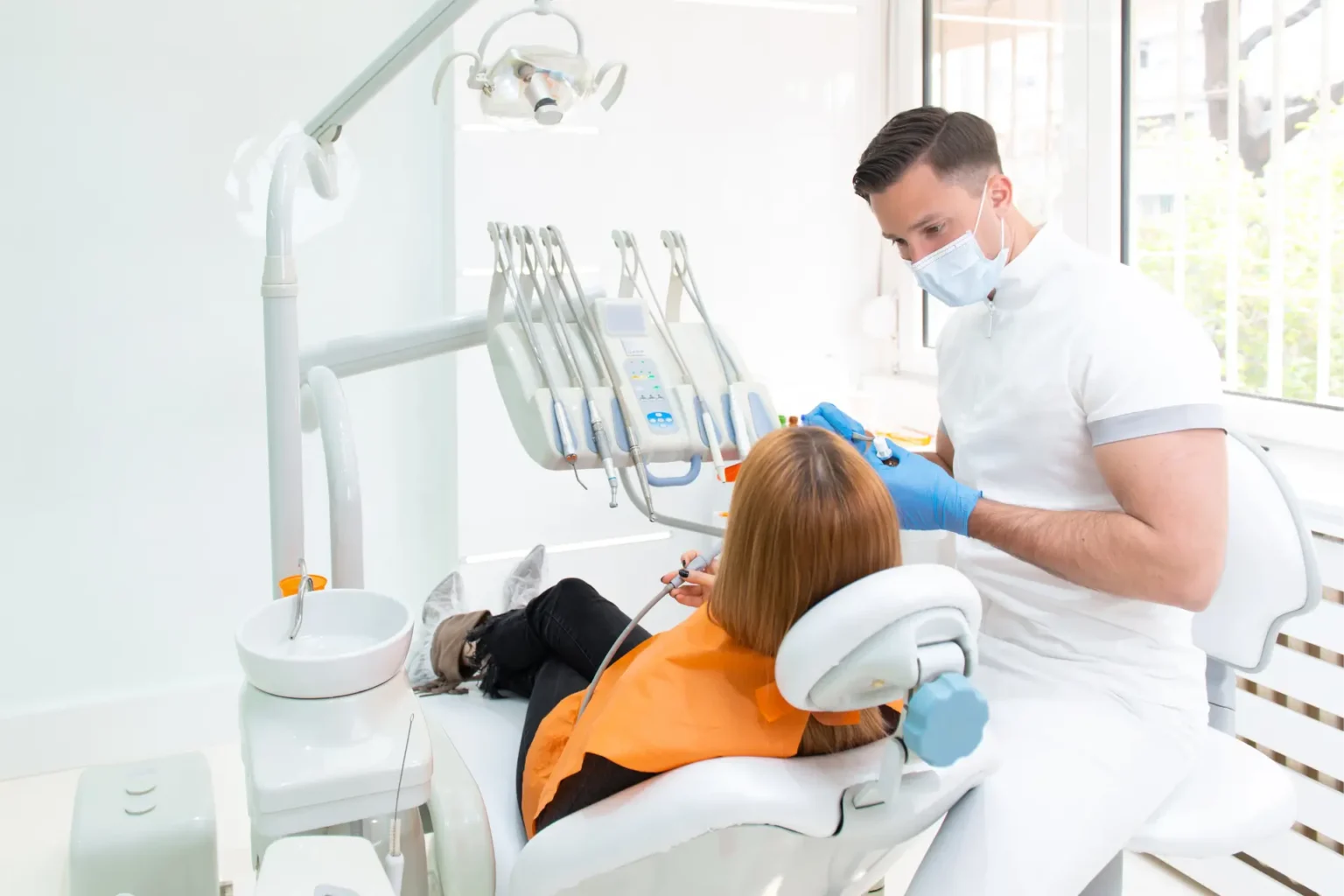
A dental emergency has a way of shrinking your world to one sharp point. It might be a cracked molar from dinner, a front tooth loosened at a Saturday soccer game, or a swelling that starts as a dull ache and turns into something you cannot ignore by midnight. Pain changes how people think. So does blood. So does the sight of a broken tooth in the sink.
The first goal is not perfect decision-making. It is steadiness.
When people panic, they often lose valuable time doing the wrong things. They rinse too aggressively, take aspirin in a way that can worsen bleeding, wait too long with facial swelling, or assume a broken filling can hold until next week when the exposed tooth says otherwise. Staying calm does not mean minimizing the problem. It means slowing your reaction just enough to protect yourself, reduce harm, and get the right help.
If you live in Plano, TX, that calm matters even more because dental emergencies rarely happen at convenient times. They show up during school pickup, on a workday when every hour is booked, late at night, or before a long-planned weekend event. The local details matter too. Families here move fast, schedules are tight, and many people try to push through discomfort because they are used to solving problems themselves. Teeth do not always reward that approach.
What counts as a real dental emergency
Not every dental problem needs same-day treatment, but many do. The dividing line is usually one of three things: uncontrolled pain, uncontrolled bleeding, or signs of infection or trauma that could worsen quickly.
A mild tooth sensitivity to cold water can often wait for a routine appointment. A toothache that keeps you from sleeping is different. A chipped tooth with no pain may not be urgent. A fractured tooth with a sharp edge, visible nerve exposure, or pain when you bite almost certainly is. If a tooth has been knocked out, the clock matters. If your jaw is injured and you cannot close your mouth normally, that is not something to watch and wait.
Swelling deserves special respect. A puffy gum near one tooth may signal an abscess. Swelling that extends into the cheek, under the jaw, or toward the eye can move from dental problem to medical problem surprisingly fast. Trouble swallowing, fever, or difficulty breathing raises the urgency even more.
People sometimes hesitate to contact an emergency dentist Plano, TX provider because they worry they are overreacting. In practice, a brief call to an experienced office often solves that uncertainty. A good team can tell the difference between something that can wait until morning and something that needs immediate attention.
Why panic makes dental emergencies worse
There is a physical side to panic. Your heart rate climbs, your muscles tighten, and your breathing gets shallow. That can make pain feel larger and decisions feel smaller. I have seen people grip their jaw so hard after a tooth fracture that they amplify the very pain they are trying to control. I have also seen parents become so focused on a little blood from a child’s mouth that they miss the more important issue, a displaced tooth or a possible jaw injury.
Dental injuries often look dramatic, especially in the first few minutes. The mouth has a rich blood supply, so even a small cut can seem worse than it is. That does not mean you should ignore bleeding, only that the visual shock can outrun the actual medical risk. Calm creates enough space to assess what is happening.
That assessment starts with a few quiet questions. Is the bleeding slowing with pressure? Is the tooth intact, loose, or out? Is the pain getting worse or staying level? Is there visible swelling? Has the person had head trauma, dizziness, vomiting, or trouble breathing? Once you answer those, the next step gets clearer.
The first five minutes matter most
The earliest decisions often set the tone for the whole event. If you do one thing, stop and breathe before you act. A slow inhale through the nose and a longer exhale through the mouth is not a wellness cliché here. It helps lower the sense of alarm enough for you to be useful.
Then focus on immediate protection and triage:
- Control bleeding with clean gauze or a clean cloth, using firm but gentle pressure.
- Rinse lightly with water if there is debris, but do not scrub injured tissue or a knocked-out tooth.
- Find any broken tooth pieces or a tooth that has come out and handle it carefully.
- Use a cold compress on the outside of the face for swelling or trauma.
- Call a dental office that handles urgent care, or seek medical help right away if breathing, swallowing, or major facial injury is involved.
These steps are simple, but people under stress tend to overdo them. They swish hard, poke at the area, or repeatedly check the injury. Resist that urge. Dental tissues are easy to aggravate.
If a tooth is knocked out
This is one of the few situations where minutes truly count. If an adult tooth is completely knocked out, there is a better chance of saving it if it is reimplanted quickly. Pick it up by the crown, which is the chewing surface part you normally see in the mouth, not the root. If it is dirty, rinse it gently with milk or clean water for a few seconds. Do not scrub it. Do not wrap it in tissue. If possible, place it back into the socket and hold it there gently. If that feels impossible, store it in milk or inside the cheek of a calm adult who can safely avoid swallowing it.
A child’s baby tooth is different. Do not try to reinsert a knocked-out baby tooth, because that can damage the permanent tooth developing underneath. This is one of those edge cases that causes confusion. Parents who have heard that “teeth need to go back in fast” may apply the wrong rule to the wrong tooth. If you are unsure whether it is a baby tooth or adult tooth, describe the child’s age and the tooth’s location when you call.
Plano sees its share of sports-related dental injuries, especially with baseball, basketball, football, and playground falls. Front teeth are often involved. Mouthguards reduce risk, but once a tooth is out, calm handling is what protects the next step.
If a tooth breaks, cracks, or loses a filling
A broken tooth can range from a cosmetic nuisance to severe nerve pain. The danger is not always visible. A tiny crack in a back tooth can hurt more than a larger chip in a front tooth, especially when you bite. If you can collect broken fragments, bring them with you. Rinse your mouth gently and avoid chewing on that side. If the edge is sharp and irritating your cheek or tongue, dental wax or sugar-free gum can act as a temporary buffer.
Lost fillings and crowns sit in a gray zone for many patients. Sometimes they feel tolerable at first, then become miserable once air, temperature, or food hits the exposed area. If a crown comes off and fits cleanly back over the tooth, some people try to reseat it temporarily. That can help for a few hours in limited situations, but forcing it into place or using household glue creates bigger problems. Temporary dental cement from a pharmacy is safer than improvisation, though it still does not replace professional care.
The common mistake here is delay. People often assume they can “be careful with it” for a week. Sometimes they can. Sometimes the tooth shifts, the exposed dentin grows more sensitive, Emergency dentist Plano, TX or the underlying decay or fracture worsens. If pain is moderate to severe, or the tooth feels unstable, contact an emergency dentist Plano, TX office sooner rather than later.
If the pain is throbbing and nothing looks broken
This is the scenario that fools people most often. No obvious crack. No missing filling. No dramatic trauma. Just a deep, pulsing toothache that radiates into the jaw or ear. In many cases, that points to inflammation inside the tooth, infection at the root, or pressure in the surrounding tissues. Warm saltwater rinses can soothe irritated gums, and over-the-counter pain relief may reduce discomfort, but neither treats the cause.
What matters is the pattern. Pain that lingers after hot or cold, pain that wakes you up, pain with swelling, or pain when biting down are all signs that the tooth may need prompt treatment. If the gum nearby looks like it has a pimple, that can be a draining abscess. The pain may even ease briefly if pressure releases, which misleads some patients into thinking the problem has passed. It has not.
I have known patients who tried to wait out that kind of pain through a long weekend. By Monday, a manageable tooth problem had become facial swelling and a much more difficult appointment. Teeth rarely heal from infection on their own.
How to calm yourself while you wait to be seen
The waiting period, whether it is twenty minutes or two hours, is often the hardest part. You are in discomfort, your mind races, and every internet search makes things sound worse. Structure helps.
Start by narrowing your task. You do not need to solve the whole problem. You need to manage the next hour safely. Sit upright if swelling is involved. Use cold on the outside of the face in short intervals. Take medication only as directed on the label unless a clinician has told you otherwise. Keep your breathing slow. If you are helping someone else, assign one person to call the dental office and another to gather insurance information, medications, and a brief summary of what happened. Too many people talking at once increases the stress in the room.
It also helps to expect that dental teams are used to urgency. Patients sometimes delay calling because they are embarrassed about how the injury happened or worried about sounding dramatic. Offices that offer emergency care hear the same stories every week: a tortilla chip took off a temporary crown, an old root canal flared up on vacation return, a teen caught an elbow during practice, a molar cracked on ice. You do not need the perfect explanation. You need care.
What not to do in the middle of a dental emergency
Most bad home decisions come from good intentions. People want pain relief and control. The problem is that mouths are delicate, and improvised fixes can complicate treatment.
Avoid placing aspirin directly on the gum or tooth. It can irritate or burn soft tissue. Do not use super glue to secure crowns, broken teeth, or appliances. Do not apply heat to a swollen face if infection is possible, because it can intensify swelling. Do not ignore persistent numbness after trauma, since that can suggest nerve involvement. And do not keep testing an injured tooth by biting on it “to see if it still hurts.” If it hurts, you already have your answer.
Alcohol as a rinse is another old habit that does more harm than good. It can sting, irritate tissues, and give a false sense that you have disinfected something meaningful. Gentle saltwater is more useful for comfort, and even that is only supportive care.
Knowing when dental becomes medical
Some emergencies start in the mouth but need more than a dentist. If there is uncontrolled bleeding after sustained pressure, significant facial trauma, a suspected broken jaw, loss of consciousness, chest symptoms, fever with spreading swelling, or trouble breathing or swallowing, emergency medical care comes first.
This is where judgment matters. A cracked tooth with pain is usually a dental issue. A blow to the face from a bicycle crash with missing teeth, facial asymmetry, and dizziness is not just a Emergency dentist Plano, TX dental issue. The presence of infection changes the picture too. A localized gum abscess may be handled in a dental setting. Swelling that is spreading downward into the neck requires a more urgent level of evaluation.
Families sometimes ask whether they should go to an emergency room or wait for a dentist. The practical answer is that hospitals are important for airway concerns, trauma, and systemic illness. They are less equipped to fix the dental source itself unless oral surgery or broader medical support is needed. In many cases, you may need both, but the order depends on safety.
A few Plano-specific realities worth keeping in mind
Plano’s pace shapes how people respond to emergencies. Many households juggle school calendars, youth sports, commutes, and work meetings that leave little room for surprises. That tends to produce two reactions. Some people overreact because the interruption feels catastrophic. Others underreact because they are trying to preserve the day at all costs. Neither extreme helps.
Traffic and timing matter too. If an office advises you to come in quickly for a knocked-out tooth or swelling, leave promptly. Do not spend thirty extra minutes finishing errands or waiting for the pain medicine to “kick in.” It is also smart to know in advance which local dental practices offer same-day urgent appointments, after-hours instructions, or weekend coverage. You do not want to research that for the first time with a swollen face and one eye on the clock.
This is especially true for parents. If your child plays sports or rides bikes regularly, keep a small dental emergency kit at home and in the car during games or tournaments. Gauze, a small container with a lid, saline, and contact information for your preferred dental office can make a stressful moment less chaotic.
How dentists think during an emergency visit
Patients often feel calmer when they understand what happens after they arrive. An emergency visit is usually about stabilization first, then definitive treatment planning. The team will want to know when the problem started, whether pain is spontaneous or triggered, whether swelling is present, and whether there was trauma. X-rays are often necessary because the visible damage may not tell the whole story.
Sometimes the fix is straightforward. A temporary restoration, smoothing a sharp edge, draining an abscess, adjusting a bite, or prescribing appropriate medication may get you comfortable. Other times, the emergency appointment is the beginning of care rather than the end. A cracked tooth may need a crown. A deep infection may lead to root canal treatment or extraction. A knocked-out or displaced tooth may need splinting and close follow-up.
The key point is that relief and resolution are not always the same thing. A good emergency visit buys safety, comfort, and a clear path forward.
The emotional side is real, and it deserves respect
Dental pain is intensely personal. Some people become stoic. Others become tearful, shaky, or ashamed that they are struggling. There is no virtue in pretending a dental emergency does not rattle you. The better approach is to take your own response seriously without letting it run the show.
If you are the one in pain, say what you need plainly. If you are helping a child, an older parent, or an anxious partner, your tone matters more than your words. Speak slowly. Keep instructions simple. Do not crowd them with options. “Hold this gauze here. Breathe with me. We’re calling now.” That works better than a flood of advice.
I have seen calm change the entire arc of an emergency. A teenager who thought she had “lost” her front tooth after a collision had actually displaced it badly, but because her parent stayed focused, the tooth was handled correctly, the office was contacted immediately, and the outcome was far better than it might have been. On the other hand, I have seen small problems become long nights because someone spent hours searching home remedies instead of getting examined.
Build calm before you need it
The best time to prepare for a dental emergency is before one happens. That preparation is not dramatic. It is practical. Save the number of your dental office in your phone. Ask whether they provide after-hours guidance. Keep basic supplies at home. Know your medications and allergies. If you have a crown, a history of root canals, clenching habits, or kids in contact sports, recognize that your odds of needing urgent dental advice are not zero.
You do not need to live on alert. You only need a plan simple enough to remember when stress narrows your thinking.
A dental emergency in Plano, TX can still be painful, inconvenient, and upsetting. Calm will not erase any of that. What it will do is help you protect the tooth when possible, avoid preventable mistakes, and get the right care without losing precious time. In urgent dentistry, that small margin often matters more than people realize.
Vitality Dental
1220 Coit Rd # 106, Plano, TX 75075, United States
+1 972-645-4100
FAQ About Emergency dentist Plano, TX
Will the ER do anything for dental pain?
An emergency department can assess urgent symptoms and provide medical stabilization. Definitive treatment of the tooth usually requires a dentist. Seek emergency medical care for breathing or swallowing difficulty, uncontrolled bleeding, or serious facial injury.
What to do if I have a dental emergency in the middle of the night?
Contact a dentist or after-hours dental service promptly for guidance. If a permanent tooth is knocked out, keep it moist in milk while seeking immediate care. If symptoms suggest a medical emergency, go to an emergency department.
What qualifies as a dental emergency?
A knocked-out permanent tooth, severe or persistent tooth pain, a significant dental injury, or swelling may require urgent dental assessment. Call a dentist to describe the symptoms and determine timing. Uncontrolled bleeding or difficulty breathing or swallowing requires emergency medical care.