Emergency Dentist Solutions for Late-Night Dental Accidents
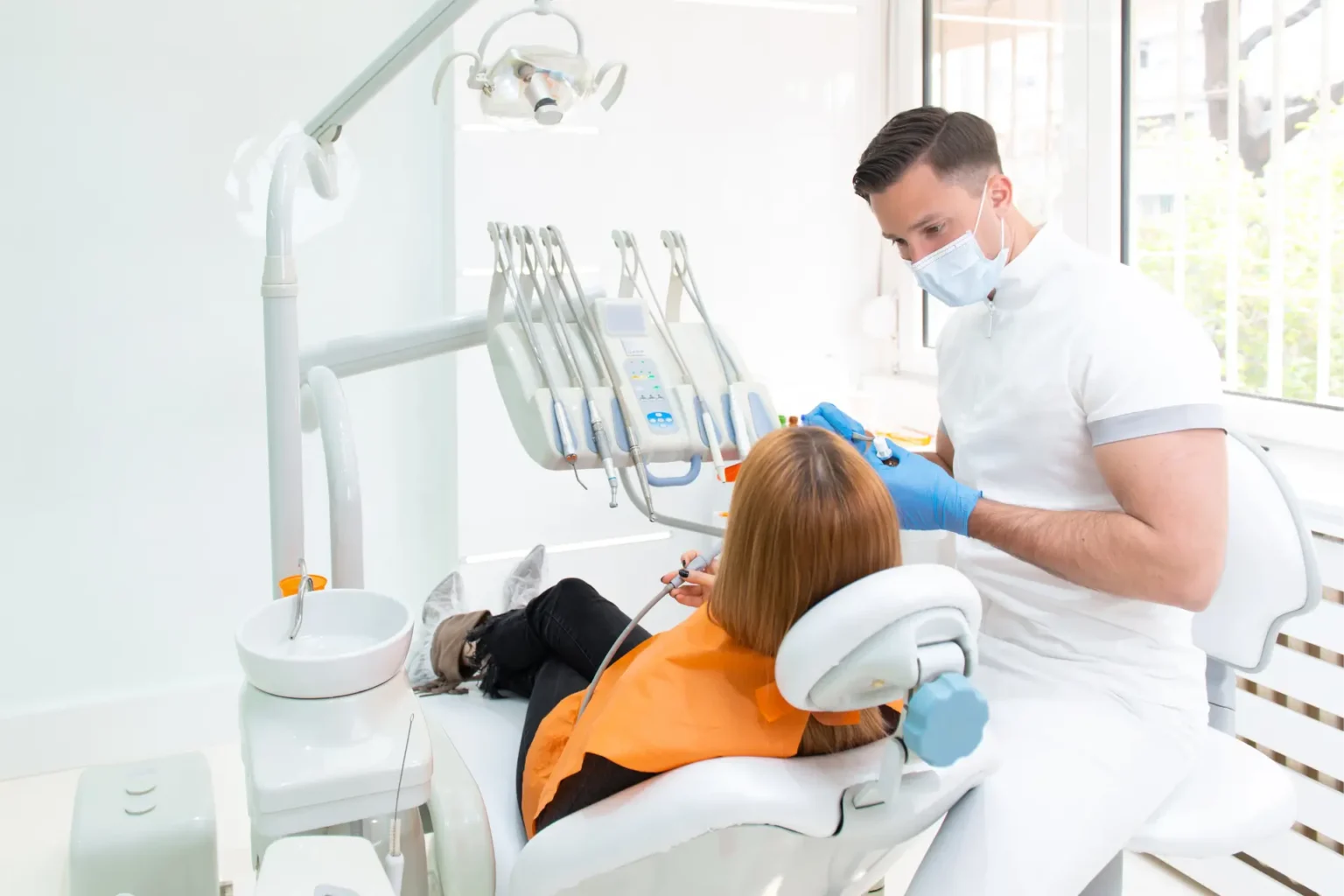
A dental emergency rarely arrives at a convenient hour. It tends to happen when the day is over, the office voicemail has switched on, and the problem feels bigger in the quiet of the night. A child slips in the bathroom and chips a front tooth. A crown gives way during dinner. A dull toothache turns into a deep, pounding pain at 1 a.m. By then, people are not looking for general advice. They want to know what matters, what can wait, and how an Emergency Dentist can help before a manageable problem becomes a long, expensive one.
Late-night dental accidents occupy an uncomfortable space between ordinary discomfort and true medical urgency. The challenge is not just pain. It is uncertainty. Many people do not know whether they should call an after-hours dental line, head to an urgent care clinic, or go directly to the emergency room. The right answer depends on the kind of injury, the amount of bleeding, the presence of swelling, and whether breathing or swallowing has changed. Those details matter more than panic, and they often shape whether a tooth can be saved.
From a practical standpoint, the first few hours after a dental injury are often the most important. I have seen cases where a patient did almost everything right under stress, protected the tooth, controlled bleeding, and reached care quickly, and the outcome was excellent. I have also seen minor-looking damage ignored overnight, only to turn into an abscess or a cracked tooth that split beyond repair. Dental tissue does not always announce the severity of the damage in obvious ways. A tiny fracture line can be a major structural problem, while dramatic bleeding from a bitten lip may settle quickly with pressure and cold compresses.
What counts as a true dental emergency at night
Pain alone is not the only measure, though severe pain certainly deserves attention. A true dental emergency usually involves one of a few patterns: uncontrolled bleeding, a knocked-out or displaced tooth, swelling that is spreading, trauma to the jaw, or signs of infection that suggest the situation is escalating. A lost filling at 10 p.m. Can feel miserable, but it is usually less urgent than a cracked molar that hurts when you bite because the latter may indicate deeper structural damage or nerve involvement.
The emergency room becomes the safer choice when the problem crosses out of dentistry and into broader medical risk. Trouble breathing, difficulty swallowing, facial swelling that is moving toward the eye or neck, fever with a rapidly worsening tooth infection, or a suspected broken jaw all warrant immediate hospital care. Emergency physicians can stabilize the patient, manage airway risk, control serious bleeding, and address trauma. An Emergency Dentist remains essential for tooth-specific treatment, but not every overnight emergency begins in the dental chair.
One common area of confusion is swelling. A little puffiness around a sore tooth in the evening may still be manageable until morning, especially if the patient is otherwise well and the swelling is localized. But if the face changes shape over a few hours, the skin feels tight, the patient cannot fully open the mouth, or there is fever and malaise, the threshold for urgent evaluation is much lower. Dental infections can spread through facial spaces more quickly than many people realize.
The first fifteen minutes after an accident
Those first minutes are less about heroic action and more about preventing the next mistake. Most dental injuries get worse because of delay, dry storage, bad handling, or the assumption that sleep will fix it. A calm, simple response is usually best.
If a permanent tooth is knocked out, time matters. The tooth should be handled by the crown, not the root. If it is dirty, it can be gently rinsed with saline or milk, or briefly with clean water if nothing else is available. Scrubbing, wiping, or disinfecting the root can damage the delicate surface cells needed for reattachment. If the person is alert and cooperative, the tooth can sometimes be placed back in the socket right away. If that is not realistic, storing it in cold milk or a tooth preservation solution is far better than letting it dry out in tissue or on a countertop. For a child with a knocked-out baby tooth, reimplantation is generally not advised, because it can damage the developing permanent tooth beneath it.
Bleeding after a dental injury responds best to firm, steady pressure. People often check too often, lifting the gauze every thirty seconds and restarting the bleeding. A clean folded gauze or cloth held in place for ten to fifteen minutes without interruption is more effective. An ice pack outside the cheek can reduce swelling and help with pain, but it does not replace pressure when bleeding is active.
For a fractured tooth, saving the broken fragment can help, especially when the break involves a visible front tooth. Some fragments can be bonded back by a dentist with good cosmetic results. If there is exposed yellow dentin or a pink spot at the center, treatment should not drift for days. Those deeper injuries are more vulnerable to sensitivity, infection, and pulpal damage.
When pain is the emergency
Late-night dental pain can be deceptive. Some of the worst pain in dentistry comes from inflammation inside the tooth rather than from obvious trauma. Patients often describe it as throbbing, radiating toward the ear, or waking them from sleep. Heat may aggravate it. Cold may either intensify the pain briefly or oddly relieve it. That pattern often suggests the nerve is inflamed or dying, and while the problem may not be life-threatening, it can become intolerable very quickly.
An Emergency Dentist can help in several ways, even after hours. In some cases, the immediate goal is to open the tooth or drain pressure so the patient can function until definitive treatment. In others, the dentist may smooth a fractured edge, recement a crown, stabilize a loose tooth, or prescribe medication when clinically appropriate. The key point is that emergency dental care is not just about extraction. Many people delay calling because they assume the only answer will be losing the tooth. In reality, urgent treatment often aims to preserve the tooth, reduce infection risk, and buy time for more complete follow-up.
It is worth saying plainly that antibiotics are not a universal answer to tooth pain. They are useful when there is infection with swelling, spreading cellulitis, or systemic symptoms. They do very little for purely inflammatory pain inside a tooth without infection. That is one reason phone advice alone can fall short. The source of pain matters, and without examination, people may overestimate what medication can accomplish overnight.
The dental problems that most often worsen by morning
Some situations have a narrow treatment window. Others are simply much easier to manage early. A knocked-out permanent tooth is the clearest example. The chance of successful reimplantation drops as the tooth spends more time dry and outside the socket. A luxated tooth, meaning one that is pushed out of position but not fully avulsed, also benefits from prompt stabilization. Teeth heal better when they are repositioned and splinted early.
Cracks are another category people underestimate. A tooth that aches only when biting and releases pain when the bite pressure comes off may have a crack extending through the cusps. The tooth may not look dramatic in the mirror. Yet overnight chewing on that side, or simply clenching during sleep, can drive the fracture deeper. By the time the patient arrives the next day, the tooth may have split below the gumline, changing the treatment from a crown to an extraction.
Abscesses follow their own logic. Some start as an ache and become visibly swollen over a single night. If the infection gains momentum, pain can actually lessen temporarily as pressure shifts, which misleads people into thinking the problem is improving. The appearance of a pimple on the gum, a bad taste from drainage, or facial swelling means the process is active even if the pain fluctuates.
What an Emergency Dentist can actually do after hours
People often picture emergency dental care as a stripped-down service focused only on pain pills and temporary fixes. That can happen in limited settings, but many after-hours dental providers can deliver substantial treatment. What is available depends on the clinic, the hour, and the nature of the injury, yet the scope is often broader than patients expect.
An experienced Emergency Dentist may reposition displaced teeth, splint mobile teeth after trauma, repair or temporarily restore fractures, recement crowns and bridges, drain localized abscesses, adjust a traumatic bite, extract a tooth that cannot be saved, or start root canal access to relieve pressure. Even when definitive treatment must wait for daylight or a specialist, the overnight intervention can protect the tooth and spare the patient hours of worsening pain.
There is also a difference between temporary and trivial. A well-placed temporary restoration at midnight can prevent contamination of the pulp, reduce sensitivity enough for sleep, and preserve the chance for a better final restoration. In trauma cases, stabilization itself is treatment, not a placeholder. The overnight goal is often to stop deterioration.
Handling specific late-night accidents at home before you are seen
Not every patient can be in a chair within thirty minutes. Distance, childcare, transport, and local availability all shape what happens next. Good interim care matters.
- For a knocked-out permanent tooth, pick it up by the crown, rinse it gently if dirty, and keep it moist in milk or saline while arranging care immediately.
- For bleeding after trauma or an extraction site that will not settle, hold firm pressure with gauze or a clean cloth for at least ten uninterrupted minutes.
- For swelling and bruising, use a cold pack on the outside of the face in short intervals, and keep the head elevated rather than lying flat.
- For a lost crown or filling, avoid chewing on that side and keep the area clean. A pharmacy temporary dental cement can sometimes protect the tooth until you are seen.
- For severe toothache, use the pain medication you normally tolerate as directed on the label unless a clinician has told you otherwise. Do not place aspirin directly on the gum, which can burn the tissue.
A few home remedies repeatedly cause trouble. Clove oil can irritate soft tissue if overused. Super glue has no place in dental first aid. Attempting to force a broken appliance or a displaced tooth into position without guidance can worsen the injury. If an object is stuck between teeth, floss is reasonable, but sharp metal tools are not.
Children, sports injuries, and the panic factor
Parents often make better decisions when they know one fact up front: baby teeth and adult teeth are managed differently. A knocked-out baby tooth is not treated the same way as a permanent incisor in a teenager. The age of the child matters, and if there is any doubt, describe the age and the tooth location clearly when calling. A nine-year-old with a front tooth injury is a very different case from a three-year-old.
Sports injuries create a distinct set Emergency Dentist of late-night emergencies because the damage is often mixed. A tooth may be chipped, the lip cut, and the jaw sore all at once. Mouthguards reduce risk but do not eliminate it. In school-age athletes, one of the most important details is whether the tooth feels longer, looser, or out of alignment. Those signs suggest displacement, not just a chip, and they deserve prompt dental assessment.
I remember one case that illustrates the difference between visible drama and actual urgency. A teenage basketball player arrived with a bleeding lip, a chipped incisor, and a parent convinced the front tooth was lost. The tooth was still present, just pushed slightly backward. The lip looked worse than the tooth. Because he was seen quickly, the tooth was repositioned and stabilized, and the long-term result was favorable. If the family had waited until the next afternoon, that window would have narrowed considerably.
Children also swallow blood and become nauseated more easily after oral injuries. That alone can intensify anxiety at home. Calm rinsing, pressure, ice, and straightforward reassurance often help more than frantic inspection under a flashlight every few minutes.
The awkward emergencies people delay calling about
Some late-night problems feel embarrassing rather than dramatic, so patients wait. A broken denture before travel, an orthodontic wire digging into the cheek, a front crown that falls off before a morning presentation, or a sudden foul taste from a draining gum abscess may not seem like "real emergencies." In practice, they can have immediate functional and emotional consequences.
A lost front crown, for example, may expose a prepared tooth that is highly sensitive and vulnerable. If the crown itself is intact, an Emergency Dentist may be able to recement it, provided the fit and underlying tooth are suitable. The same is true for certain bridges or temporary crowns that come loose. Timing matters because the surrounding teeth can shift subtly, making replacement more difficult if the restoration is left out too long.
Orthodontic emergencies are usually less dangerous but still miserable. Wax over a protruding wire can buy time. A wire deeply embedded in tissue is different and may need urgent adjustment. Denture fractures vary widely. A small acrylic crack can wait in some cases. A break that leaves sharp edges or destroys function for an elderly patient with limited nutrition options is more pressing than it looks on paper.
Knowing where to go at 11 p.m.
This is where judgment counts. Some communities have dedicated after-hours dental clinics. Others rely on an on-call rotation, hospital dental residents, or private practices that triage by phone. If you are searching under stress, focus on whether the provider handles trauma, infection, and urgent restorative issues, not just routine family dentistry.
Ask direct questions. Do they manage knocked-out teeth? Can they see swelling and dental infections tonight? Do they treat children? Are they equipped for X-rays? If they cannot see you, can they tell you whether your symptoms point to an emergency room instead? A good after-hours system does not just book appointments. It helps route patients safely.
When the issue is severe, transport matters too. Someone with facial trauma, dizziness, active bleeding, or sedation on board should not drive. It sounds obvious, but pain and panic make people do unwise things. If there has been a fall, loss of consciousness, or suspicion of head injury, the dental problem stops being the only problem.
The cost question, and why delay can get expensive fast
Emergency dental care can be costly, especially outside normal office hours, but delay often costs more. A tooth that might have needed bonding or a crown may become a root canal and crown, or an extraction and implant, if the crack propagates or infection advances. Financially, the overnight visit is sometimes the cheaper path even when the bill stings.
That said, not every nighttime issue requires immediate in-person treatment. A small enamel chip with no pain, a loose temporary crown without major sensitivity, or mild discomfort from a recently adjusted appliance may reasonably wait for a morning appointment. This is where a triage call is useful. The right question is not "Can I survive until tomorrow?" Most people can. The better question is "Will waiting change the outcome?" That is the line an Emergency Dentist helps you judge.
A practical way to prepare before anything happens
The best time to think about dental emergencies is before one disrupts your evening. A small amount of preparation lowers stress and improves outcomes, especially in households with children, athletes, or anyone with a history of dental work.
Keep a simple dental first-aid kit where you can find it in the dark. It does not need to be elaborate.
| Item | Why it helps | |---|---| | Sterile gauze | Controls bleeding and cushions injured areas | | Small container with lid | Protects a broken tooth fragment or restoration | | Saline or contact lens saline without additives | Gentle rinsing for debris | | Orthodontic wax | Covers sharp wires or rough edges | | Contact details for your dentist and a local Emergency Dentist | Saves time when minutes matter |
If someone in the family plays contact sports, add a note with their age and any dental history that matters, such as recent braces, a root canal, or a front tooth repaired after prior trauma. That may sound overly cautious until you are trying to answer questions while a child cries in the back seat.
Why overnight dental care is really about preserving tomorrow
The immediate job of emergency care is to control pain, bleeding, and infection. The larger job is to preserve options. The difference between a tooth that is saved and one that is removed often lies in mundane details: how the tooth was handled, how quickly the patient was seen, whether swelling was taken seriously, whether the person kept chewing on a cracked molar because it "was not that bad."
An Emergency Dentist is not simply a provider of last resort. In many late-night accidents, that clinician is the reason a tooth remains restorable, a facial infection stays localized, or a traumatic injury heals with fewer long-term consequences. The midnight phone call, the temporary stabilization, the urgent X-ray, the decision to escalate to the hospital, these are not side notes. They shape the outcome.
When a dental accident happens after hours, the most useful mindset is steady rather than stoic. Do the basic things well. Control bleeding. Protect the tooth. Avoid improvised fixes. Seek the right level of care. And remember that a problem does not need to look dramatic to deserve prompt attention. Dentistry is full of quiet emergencies, and late at night, the smart response is often the one that keeps a bad situation from becoming tomorrow's major repair.
Vitality Dental
1220 Coit Rd # 106, Plano, TX 75075, United States
+1 972-645-4100
FAQ About Emergency Dentist
What counts as a dental emergency?
A knocked-out tooth, significant mouth injury, severe tooth pain, or painful swelling warrants prompt evaluation. Call your dentist and describe your symptoms so the office can advise you on how urgently you need care.
What should I do if I knock out a permanent tooth?
Call a dentist immediately. Handle the tooth by the crown, avoid touching the root, and keep it moist. If you cannot put it back into the socket easily, transport it in milk or a tooth-preservation solution. Bring it with you to the appointment.
Should I go to the emergency room for a dental emergency?
Seek emergency medical care right away if you have trouble breathing or swallowing, uncontrolled bleeding, or a serious facial injury. For an isolated tooth injury or toothache without those symptoms, call a dentist promptly for guidance.